
Top 8 Indian Art Forms Kids Should Know

India is a land of colors, patterns and stories. Every region has its own special art style that connects children to culture and creativity. When kids learn Indian art, they learn about their heritage and discover new ways to express themselves.
Here are eight beautiful Indian art forms every child should explore.
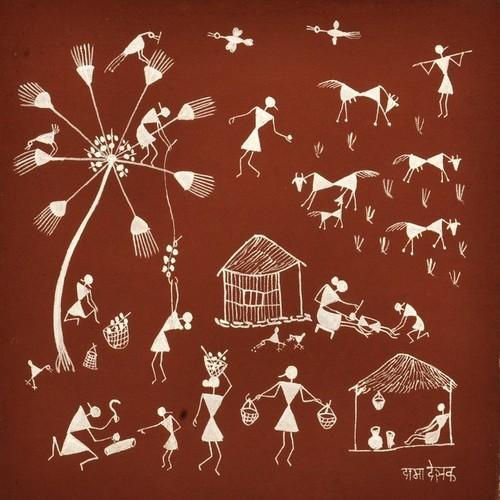
1. Warli
Origin: Maharashtra
Warli uses white paint made from rice paste on a mud-brown background. It shows village life, farming, animals and dancing in simple stick figures. Kids love how quick and playful it is. They can turn everyday moments into art.
2. Madhubani
Origin: Bihar
Madhubani art is filled with bright colors, black outlines and detailed patterns. It often shows nature, festivals and folk stories. Kids learn symmetry and pattern-making while using crayons, sketch pens or watercolors.
3. Kalamkari
Origin: Andhra Pradesh and Telangana
Kalamkari means pen-art. Artists use a special bamboo pen to draw long, storytelling scenes from mythology. Children can enjoy making story-based drawings and learn how art can act like a comic.
4. Pattachitra
Origin: Odisha and West Bengal
Pattachitra is painted on scrolls made from cloth or dried palm leaves. It includes decorative borders and strong outlines. Kids get inspired by animals, gods and folk tales while practicing patience.
5. Gond
Origin: Madhya Pradesh
Gond art uses colorful dots, dashes and lines to fill up big shapes of animals, trees or nature. Children enjoy making bold, big artwork and exploring pattern repetition which helps their focus.
6. Tanjore Painting
Origin: Tamil Nadu
Known as the royal art of India, Tanjore paintings shine with gold foil and rich colors. It teaches kids about traditions and gives them a chance to work with layered textures for a special, 3D look.
7. Miniature Paintings
Origin: Rajasthan & Mughal Courts
These tiny artworks show palace life, battles and nature with very delicate details. Kids learn observation, storytelling and careful brush control. Even a small paper becomes a grand artwork.
8. Rangoli
Origin: All across India
Made during celebrations using colored powder, chalk, rice or flowers. It teaches kids about symmetry, festive traditions and collaboration when designing together as a family.
Why Indian Art Matters for Kids
• Builds cultural pride and curiosity
• Strengthens focus, fine motor skills and patience
• Encourages storytelling and imagination
• Connects children with Indian heritage
Let children try one art form each month and tell the story behind their creation. Ask: What does this art form make you feel?
Join India’s Creative Future at CAMI
At Children’s Art Museum of India, young artists explore heritage and express their own identity through art. We proudly showcase their creativity to the world.
Submit your child’s artwork today at: https://childrensartmuseumofindia.com
Let their art become part of India’s story.
🔗 Explore more at: www.childrensartmuseumofindia.com


Comments